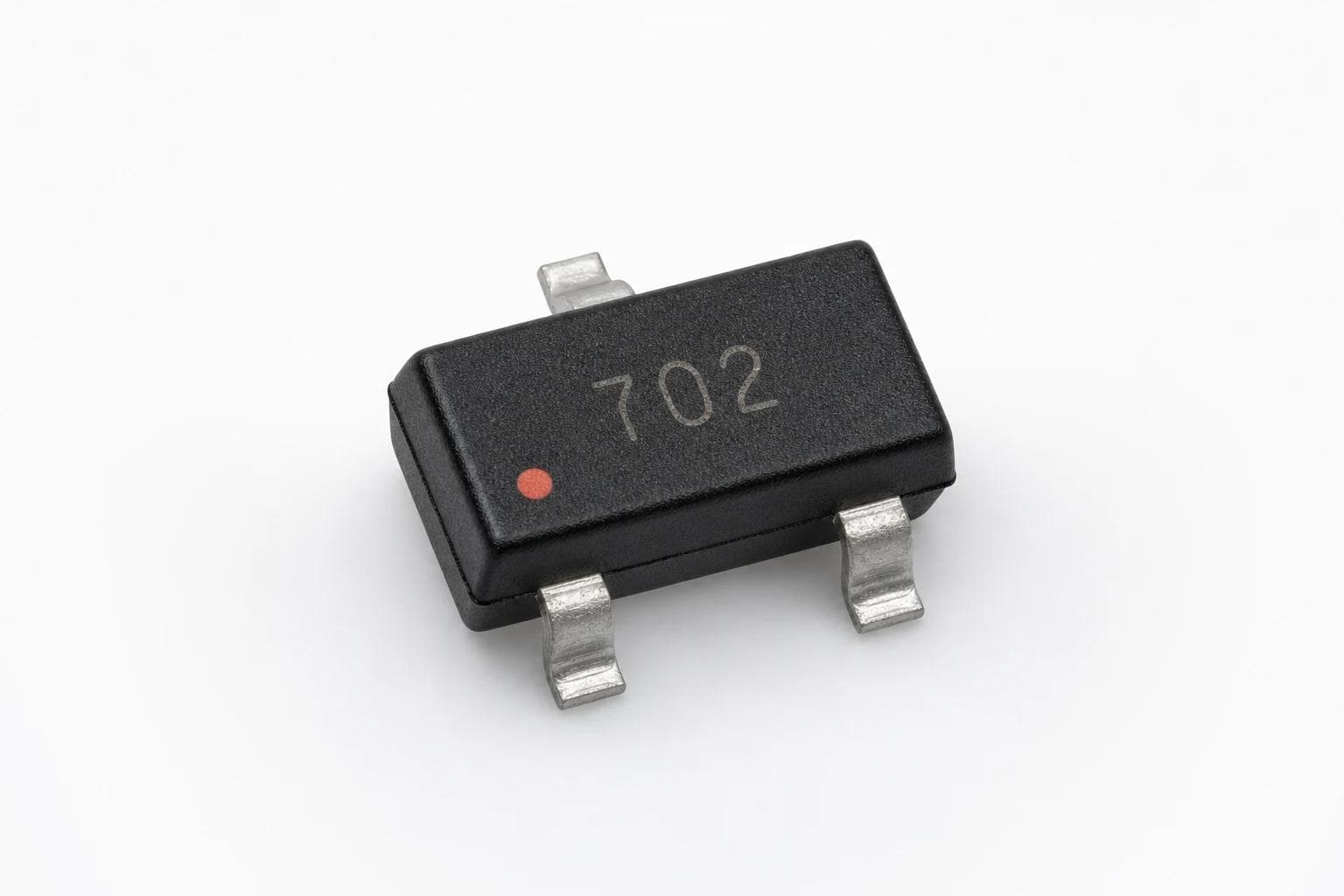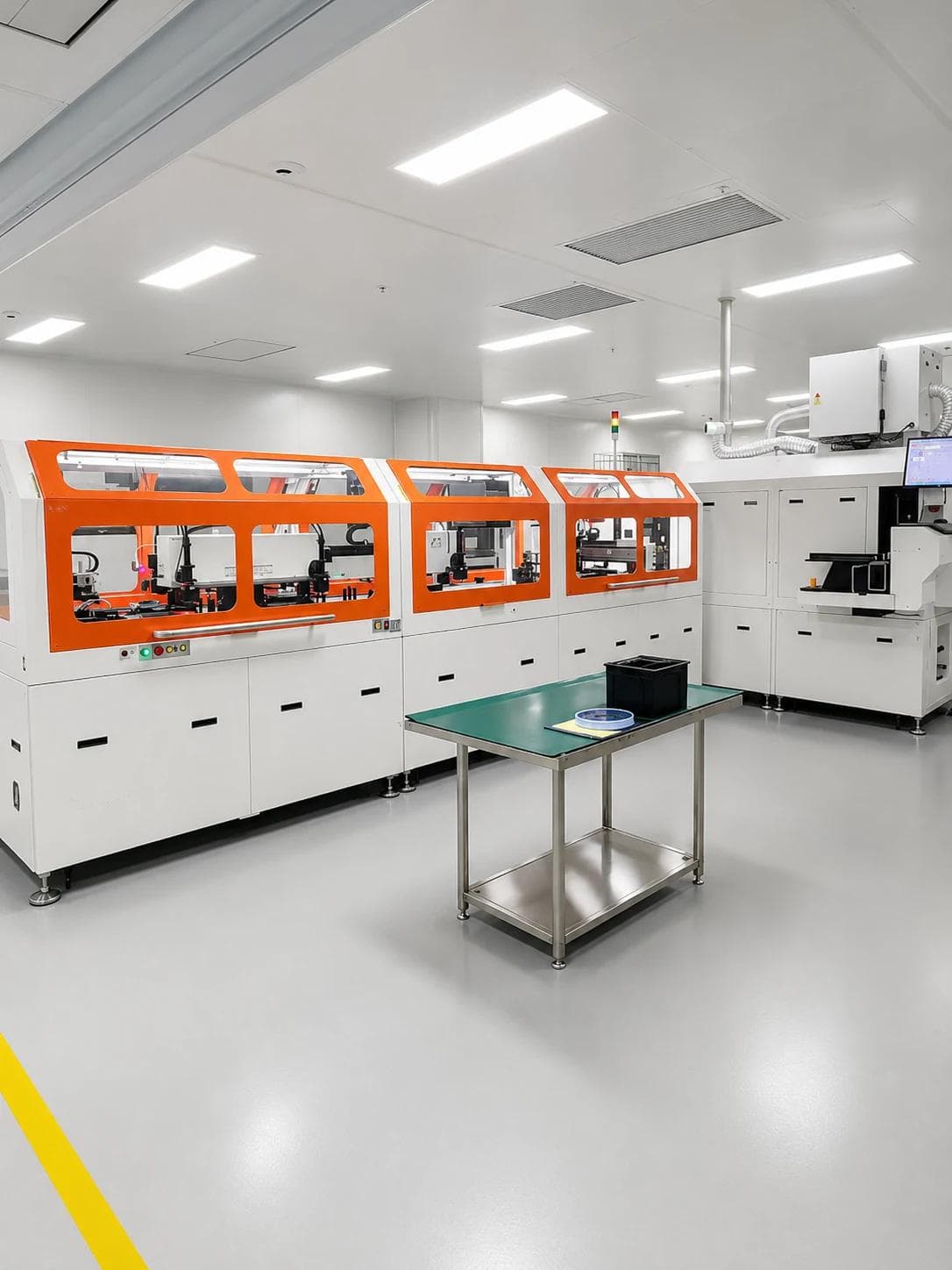
Traceability is the ability to connect a released device lot to the materials, equipment, process conditions, inspections, and test records that shaped it. The objective is not simply to collect data, but to make deviations visible and investigations actionable.
The record begins before assembly
Incoming controls establish supplier, material lot, inspection status, and storage condition. These identifiers form the first link between the finished device and its manufacturing history.
Process checkpoints preserve context
- Equipment and recipe identification at controlled operations.
- Inspection outcomes and disposition of nonconforming material.
- Operator, time, lot, and quantity records through each movement.
- Electrical test results connected to final release status.
MES and ERP serve different but connected roles
Manufacturing execution records describe what occurred on the production floor. Enterprise records connect orders, inventory, packaging, and shipment. Their shared lot structure creates continuity from production to customer delivery.
Effective traceability depends on stable identifiers, controlled data entry, reviewable exception handling, and disciplined release criteria. Technology supports the process, but the quality system defines how the information is used.